Blog

  • Why DJ Rotate’s Beats Are Captivating Fans Worldwide

    Electronic music is built on rhythm, atmosphere, and emotion. Few emerging artists manage to combine all three in a way that resonates with listeners across borders. DJ Rotate is quickly becoming one of those artists.

    From hypnotic grooves to atmospheric textures, DJ Rotate’s productions are drawing attention from fans who crave immersive electronic soundscapes.

    But what exactly makes his beats so captivating?

    1. A Signature Sound That Stands Out

    One of the most powerful things about DJ Rotate’s music is its recognisable identity.

    Instead of chasing trends, his productions focus on:

    • Deep rhythmic grooves
    • Atmospheric synth layers
    • Clean, powerful low-end bass
    • Minimal yet hypnotic arrangements

    This creates music that feels both underground and cinematic, making each track instantly recognisable.


    2. Built for the Dancefloor and the Mind

    Great electronic music doesn’t just make people dance — it creates a journey.

    DJ Rotate’s tracks are designed to:

    • Build tension gradually
    • Introduce subtle melodic elements
    • Layer percussion in evolving patterns

    This approach keeps listeners engaged whether they’re:

    Discovering the music while working or driving

    On a packed dancefloor

    Listening on headphones

    3. Emotion Through Electronic Sound

    Many producers focus purely on beats. DJ Rotate goes further by creating emotion through sound design.

    His productions often feature:

    • Warm analogue-style synths
    • Deep melodic textures
    • Expansive atmospheric pads

    These elements give the music depth and feeling, something fans connect with instantly.


    A new wave of electronic artists, including DJ Rotate, are blending atmosphere and groove to create immersive listening experiences.

    4. A Global Audience in the Digital Era

    In today’s streaming-driven music world, geography matters less than ever. DJ Rotate’s music is reaching listeners around the globe through platforms like:

    Electronic music communities are highly connected, allowing artists with unique sounds to build international followings organically.


    5. Consistency and Artistic Vision

    Perhaps the biggest reason DJ Rotate’s beats resonate with fans is consistency.

    Listeners know they will always get:

    • High-quality production
    • Distinctive sound design
    • Immersive electronic atmospheres

    That artistic vision helps create a loyal fanbase that grows with every release.


    The Future of DJ Rotate

    As electronic music continues to evolve, artists with a clear identity stand out from the crowd.

    DJ Rotate is part of a new wave of producers focused on atmosphere, rhythm, and musical storytelling.

    If his current trajectory continues, fans around the world can expect many more captivating releases in the years ahead.
  • The Impact of Original Releases in the Indie Dance Scene

    In the fast-moving world of indie dance music, originality plays a crucial role in shaping the direction of the scene. While DJ sets, remixes, and live performances remain central to electronic music culture, original releases are the foundation that drive the genre forward.

    Every new track introduces fresh ideas, innovative sounds, and creative energy that influence DJs, producers, and listeners alike. From underground labels to global streaming platforms, original releases are what keep the indie dance scene evolving.

    Emerging artists such as DJ Rotate are part of a new generation of producers exploring deeper atmospheres and hypnotic rhythms within electronic music.

    Driving Innovation in Sound

    Original tracks are where producers truly showcase their creativity. Unlike remixes, which reinterpret existing material, original releases allow artists to build a track entirely from their own vision.

    Producers experiment with:

    • New sound design techniques
    • Unique rhythms and grooves
    • Innovative synth textures
    • Creative arrangement structures

    These experiments often lead to new trends within the electronic music community, influencing the sounds heard in clubs and festivals worldwide.

    Building an Artist’s Identity

    For indie dance music producers, original releases are essential for developing a recognisable artistic identity.

    Each track becomes part of an artist’s musical signature, helping listeners understand their style and creative direction. Over time, consistent releases allow fans to connect with the artist’s sound and follow their musical journey.

    For emerging artists especially, original productions are the key to gaining attention within the competitive EDM landscape.

    Fuel for DJ Sets and Dancefloors

    Original releases also play a major role in shaping DJ sets. DJs constantly search for new tracks that bring energy, atmosphere, and excitement to the dancefloor.

    Fresh productions give DJs the opportunity to introduce audiences to new sounds and undiscovered artists, helping tracks spread organically through clubs, festivals, and online mixes.

    In many cases, a powerful track can quickly gain momentum when DJs begin supporting it in their sets.


    The Role of Streaming and Digital Platforms

    Streaming services and digital distribution have dramatically increased the reach of original electronic music.

    Platforms such as Spotify, SoundCloud, and Apple Music allow producers to release their tracks directly to a global audience. As a result, independent artists now have the ability to grow fanbases worldwide without relying solely on traditional record labels.

    This accessibility has led to an explosion of creativity and diversity within the indie dance music scene 2026.


    Supporting the Future of Indie Dance Music

    Original releases don’t just represent individual tracks — they contribute to the long-term evolution of electronic music.

    Every new production adds something unique to the wider musical landscape. Whether it’s a club-focused track, an atmospheric listening experience, or a genre-blending experiment, original music helps keep the scene vibrant and constantly moving forward.

    Artists such as DJ Rotate, who focus on crafting distinctive electronic soundscapes, demonstrate how original productions continue to push creative boundaries in modern electronic music and indie dance.


    Conclusion

    Original releases remain one of the most important forces within the EDM scene. They fuel innovation, define artistic identities, and provide the soundtrack for dancefloors around the world.

    As technology continues to expand the possibilities of music production and distribution, the role of original tracks will only grow stronger. For fans, DJs, and producers alike, discovering new music remains one of the most exciting aspects of electronic dance music culture.

    If you enjoy discovering new indie dance music, you can explore the latest releases from DJ Rotate here.

    0 items
    Filter by:
    Order by:
    1-4 of 4
    See The Light
    Price:£1.00
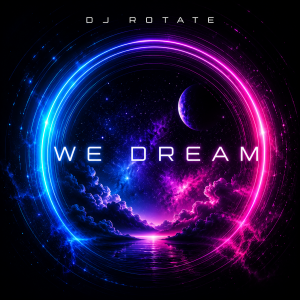
    We Dream
    Price:£1.00
    Chants
    Price:£1.00
  • Behind the Scenes of DJ Rotate’s Creative Process

    Every electronic music track begins with an idea. For producers, that idea often develops through experimentation with rhythm, melody, and sound design. For DJ Rotate, the creative process focuses on building a track step by step, starting with the foundation of rhythm and gradually layering elements to create a full electronic soundscape.

    Using Ableton Live 12 along with carefully selected VST plugins, DJ Rotate’s production style combines structured workflow with creative exploration.

    Here’s a look behind the scenes at how a typical DJ Rotate track begins and evolves.

    This is one way how DJ Rotate’s creative process is done. There is no right or wrong way. Choose the natural way that works for you.

    Starting with the Rhythm

    For DJ Rotate, every track begins with the drums.

    Rhythm is the backbone of electronic music, so the first step is programming a groove that feels natural and energetic. Using drum-focused VST plugins and samples, the beat is constructed piece by piece.

    Typical drum elements include:

    • Kick drum for the main pulse
    • Hi-hats to create movement
    • Claps or snares for groove
    • Percussion layers for texture

    By focusing on the drums first, the track immediately gains a strong rhythmic identity, which sets the direction for the rest of the production.

    Building the Bassline

    Once the drums establish the groove, the next step is creating the bassline.

    The bass works closely with the kick drum to form the low-end foundation of the track. Using VST bass instruments inside Ableton Live, DJ Rotate experiments with patterns and tones until the bass complements the rhythm perfectly.

    A strong bassline can:

    • Reinforce the groove
    • Add depth and energy
    • Guide the harmonic direction of the track

    Layering Synths and Atmosphere

    With the rhythm section complete, it’s time to expand the track with synths and melodic elements.

    Using a range of synth VST plugins, DJ Rotate begins adding:

    • Pads for atmosphere
    • Lead sounds for melodic hooks
    • Arpeggios or textures for movement

    These layers help transform the track from a basic groove into a full electronic composition.

    Sound design plays an important role here, as small adjustments to filters, effects, and modulation can dramatically change the feel of a track.


    Adding Vocals and Character

    To bring additional personality to a production, DJ Rotate often incorporates vocal elements from sample libraries.

    These vocals may be used as:

    • Short hooks
    • Atmospheric vocal chops
    • Background textures

    Even subtle vocal additions can help give a track a unique identity and emotional connection.


    Refining and Shaping the Track

    Once the main elements are in place, the focus shifts to refining the arrangement.

    This stage involves:

    • Balancing the mix
    • Adjusting transitions
    • Automating filters and effects
    • Creating breakdowns and build-ups

    Through careful editing and experimentation, the track evolves into a finished piece designed to work both for listening and the dancefloor.


    The Joy of the Creative Process

    Electronic music production is a blend of technical skill and artistic exploration. Every track is an opportunity to experiment with new sounds, rhythms, and ideas.

    For DJ Rotate, the creative process is not just about finishing tracks — it’s about discovering new musical directions and continuing to refine a distinctive electronic sound.


    Conclusion

    Behind every electronic music release lies a process of creativity, experimentation, and careful production.

    By starting with rhythm, building a strong bass foundation, layering atmospheric synths, and incorporating vocal textures, DJ Rotate crafts tracks designed to immerse listeners in the world of electronic music.

    As new ideas and sounds continue to emerge, each production becomes another step in the evolving journey of the DJ Rotate project.

    This stage often defines the overall vibe of the production.

  • Exploring the Essence of Indie Dance Music

    Indie Dance Music has become one of the most powerful forces in modern music. From underground clubs to global festivals, its influence continues to grow across cultures and generations.

    But beyond the energy of the dancefloor, indie dance is built on something deeper — a fusion of rhythm, technology, and emotion. Understanding the essence of indie dance music reveals why it continues to captivate millions of listeners worldwide.

    Tracks from artists like DJ Rotate demonstrate how modern electronic producers combine groove and emotion to create immersive listening experiences.

    The Foundation: Rhythm and Groove

    At the heart of electronic dance music lies rhythm.

    The steady pulse of a kick drum, combined with carefully programmed percussion, creates the hypnotic foundation that defines the genre. This rhythmic consistency is what drives movement on the dancefloor and keeps listeners engaged.

    Key elements include:

    • Four-on-the-floor kick patterns
    • Syncopated hi-hats and percussion
    • Groove-based basslines
    • Repetition with subtle variation

    These elements work together to create a mesmerising flow of energy.


    The Role of Technology

    Unlike traditional music genres, indie dance is deeply connected to technology.

    Producers use digital audio workstations such as Ableton Live 12, along with VST plugins, to design and manipulate sound in ways that were once impossible.

    This allows artists to:

    • Create entirely new sounds
    • Shape tracks with precision
    • Experiment freely with structure and texture

    Technology isn’t just a tool — it’s part of the instrument itself.

    Atmosphere and Sound Design

    Beyond rhythm, what truly defines indie dance is its atmosphere.

    Producers layer sounds to create immersive environments using:

    • Synth pads for depth
    • Textures for movement
    • Effects like reverb and delay
    • Melodic elements for emotion

    This transforms a simple beat into a full sonic experience, whether in a club or through headphones.


    Emotion in Electronic Music

    While indie dance is often associated with energy and dancing, it also has a strong emotional side.

    Tracks can evoke:

    • Euphoria
    • Nostalgia
    • Tension and release
    • Deep focus and immersion

    This emotional connection is what keeps listeners coming back and allows indie dance music to resonate on a personal level.


    A Global Culture

    Indie dance music is more than just sound — it’s a global movement.

    From local underground scenes to international festivals, indie dance connects people through shared experiences. Streaming platforms and social media have made it easier than ever for artists to reach audiences worldwide.

    This global accessibility continues to push the genre forward.


    The Modern Evolution of Indie Dance

    Today, electronic music is constantly evolving.

    New subgenres emerge, production techniques improve, and independent artists are gaining more recognition than ever. The line between underground and mainstream continues to blur.

    Artists like DJ Rotate reflect this modern evolution, focusing on rhythm-driven tracks, atmospheric layers, and immersive sound design that connect with listeners on multiple levels.


    Conclusion

    The essence of electronic dance music lies in its ability to combine rhythm, technology, and emotion into a powerful and immersive experience.

    From its underground roots to its global presence today, indie dance 2026 continues to evolve while staying true to its core principles.

    For both listeners and creators, exploring electronic music is not just about sound — it’s about experiencing a constantly changing world of creativity and connection.

  • The Evolution of Electronic Music: From Underground to Global

    Electronic music has undergone an incredible transformation over the past several decades. What began as an experimental underground movement driven by innovative producers and underground clubs has grown into one of the most influential and globally recognised music genres.

    Today, electronic music fills massive festivals, dominates streaming platforms, and continues to push the boundaries of sound design and music production. Understanding the journey from underground origins to global phenomenon reveals why electronic music continues to shape modern culture.

    A new wave of electronic artists, including DJ Rotate, are blending atmosphere and groove to create immersive listening experiences.

    The Underground Beginnings

    Electronic music first emerged in the late 1970s and early 1980s when artists began experimenting with synthesizers, drum machines, and sequencers.

    Cities like Chicago and Detroit became the birthplaces of groundbreaking genres such as house and techno. Small clubs and warehouse parties provided the perfect environment for DJs and producers to explore new sounds and rhythmic structures.

    During this period, electronic music thrived within tight-knit underground communities where innovation and creativity were valued more than mainstream popularity.

    The Rise of Club Culture

    As the sound of electronic music spread throughout Europe and beyond, club culture began to flourish.

    Legendary venues and underground parties helped establish electronic music as a cultural movement rather than simply a musical style. DJs became the storytellers of the dancefloor, using long sets to guide audiences through evolving rhythms and soundscapes.

    This era also saw the emergence of new subgenres including:

    • Indie Dance
    • Drum and Bass
    • Progressive House
    • Techno variations

    Each brought its own identity while contributing to the expanding global electronic music scene.

    Wrapping Up with Key Insights

    Technology Changes Everything

    One of the defining features of electronic music is its relationship with technology.

    Advancements in music production software and digital audio workstations allowed producers to create professional tracks from home studios. This dramatically lowered the barrier to entry for aspiring artists and accelerated the growth of the genre.

    At the same time, the internet enabled music to travel across borders instantly. DJs and producers could now share their work with global audiences through streaming platforms and social media.

    From Underground to Global Festivals

    By the 2000s and 2010s, electronic music had fully entered the global spotlight. Large-scale festivals began attracting hundreds of thousands of fans, transforming the genre into a major part of mainstream entertainment.

    Events around the world now celebrate electronic music, bringing together international DJs, producers, and fans in immersive live experiences.

    Despite this global expansion, the underground scene continues to thrive, constantly pushing new sounds and experimental styles.

    The Role of Independent Artists

    Today’s electronic music landscape is more open than ever. Independent artists can release music directly to streaming platforms and connect with listeners without the need for traditional record labels.

    This freedom has allowed a new generation of producers to shape the future of electronic music by exploring fresh sounds and unique artistic identities.

    Artists like DJ Rotate represent this modern wave of creators, combining atmospheric sound design and rhythmic depth to contribute to the ever-evolving electronic music landscape.

    Looking Ahead

    Electronic music has always been defined by innovation and experimentation. As technology continues to evolve and new producers emerge, the genre will keep expanding into exciting new territories.

    From its underground origins to its global influence today, electronic music remains one of the most dynamic and forward-thinking forms of musical expression.